


09 Jan Talking to Teens About Dating
A Parent’s Guide to Preventing Teen Dating Violence and Building Healthy Relationships
Parents and caregivers play one of the most important roles in teen dating violence prevention. The way adults talk with teens about relationships, boundaries, and communication directly impacts how young people understand love, safety, and respect.
Open, honest conversations about dating help teens recognize unhealthy behaviors early and build the skills they need for healthy teen relationships.
Why Talking to Teens About Dating Matters
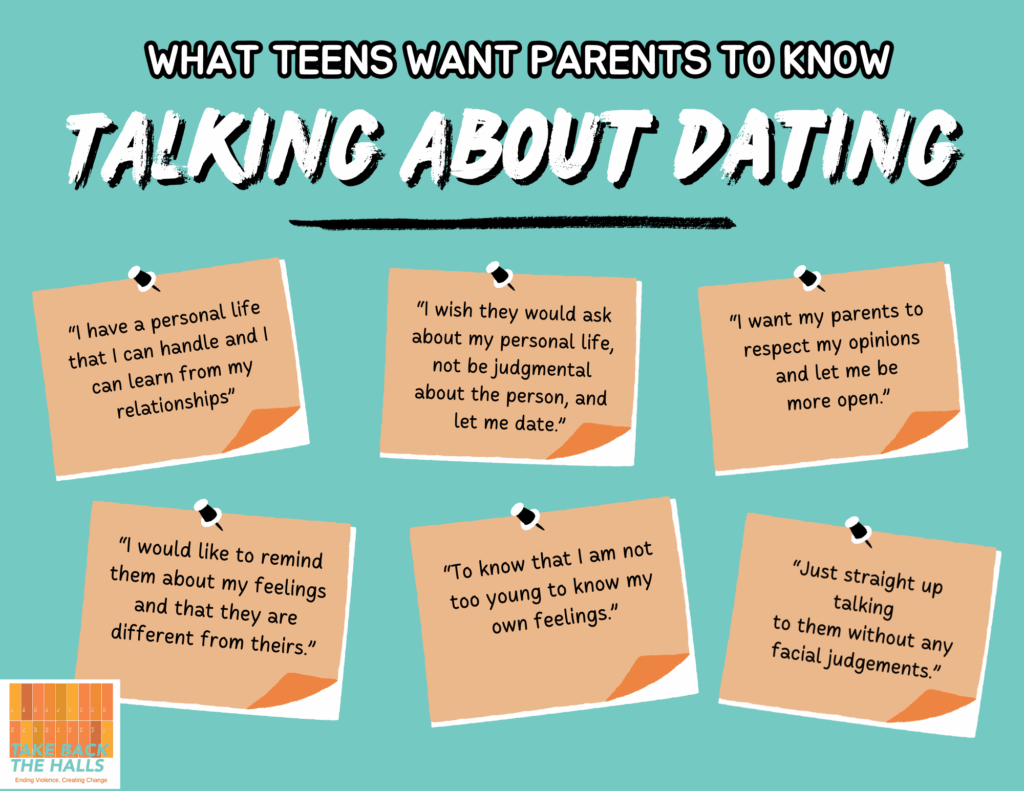
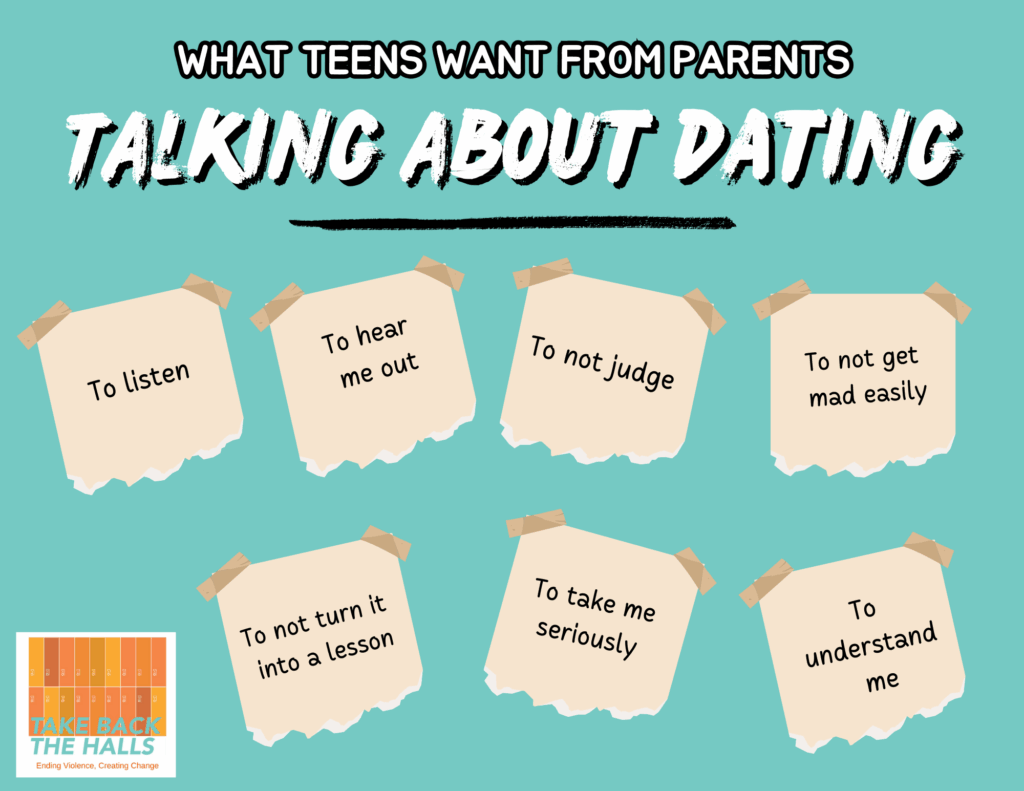
Many adults assume teens don’t want to talk about dating with their parents—but teens consistently tell us the opposite. They do want guidance and support. What holds them back is feeling judged, dismissed, or misunderstood.
When parents create a safe, non-judgmental space to talk about dating, teens are more likely to:
— Share what’s really happening in their relationships
— Ask for help when something feels wrong
— Recognize the warning signs of teen dating abuse
Listening with empathy and curiosity is one of the most powerful teen dating violence prevention tools
Common Barriers to Talking with Teens about Dating
Many parents want to help but feel unsure how. Some of the most common challenges include:
Not knowing how to start
Many caregivers don’t know how to begin or continue conversations about teen dating and relationships.
Fear and worry
Some parents believe their teen is too young to date. Others focus on everything that could go wrong rather than teaching what healthy relationships look like.
Banning dating altogether
When dating is forbidden and there is fear of punishment, teens are far less likely to ask for help if they are being hurt or controlled.
Judgment and punishment
Teens report that lectures, anger, or punishment shut down communication.
Minimizing teen relationships
What may seem “small” to adults often feels deeply important to teens. When adults dismiss their experiences, teens stop sharing.
How to Talk to Teens About Dating in a Healthy Way
Start early
It’s never too early to talk about healthy relationships. Just like you wouldn’t hand your child car keys before Driver’s Ed, teens need relationship skills before they start dating.
Make safety more important than rules
Many teens date before their parents know. If teens fear punishment, they won’t reach out when something is wrong. Let your teen know their safety comes first.
Teach healthy relationship skills
All healthy relationships—dating, friendships, and family—are built on the same skills:
— Emotional awareness and regulation
— Healthy boundaries
— Respectful communication
— Conflict resolution
These skills are the foundation of teen dating violence prevention.
Teens learn by watching adults. If you are experiencing domestic or dating violence yourself, support is available through the National Domestic Violence Hotline: 800-799-7233.
Listen before you advise
Start with curiosity and empathy. Teens are more open to guidance when they feel heard and respected.
Learn the warning signs of teen dating abuse
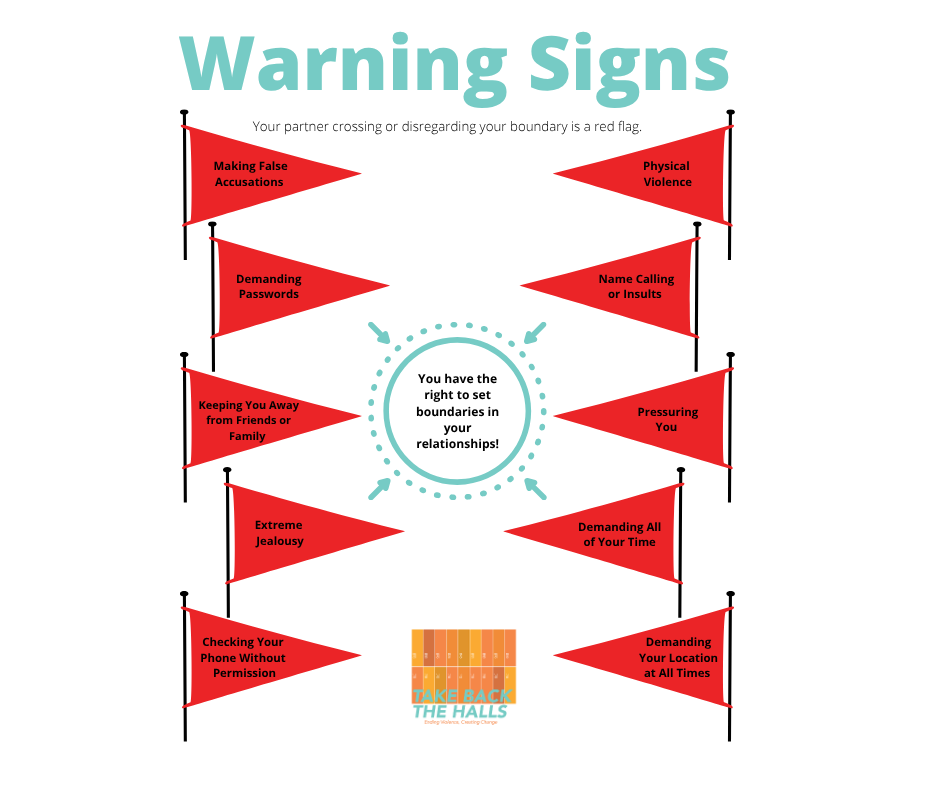
Understanding early signs—such as controlling behavior, jealousy, or isolation—helps parents intervene sooner.
Use inclusive language
About 30% of Chicago Public School students identify as LGBTQIA+. Using gender-neutral and inclusive language helps all teens feel safe talking about their relationships.
Resources for Talking to Teens About Dating
Take Back the Halls Dating Conversation Cards
Easy-to-use questions that help parents start meaningful conversations.
Parent’s Guide
A bilingual guide created by students for parents and caregivers.
Taking Back Our Lives Website
Articles and tools on teen dating, healthy relationships, and violence prevention.
Love Is Respect
A national resource with in-depth information for teens and families.
If your child is experiencing dating violence, you can contact the National Domestic Violence Hotline at 800-799-7233.
Sorry, the comment form is closed at this time.