

17 Feb I Wish I Had Known I Didn’t Have to Play Games
This February, in recognition of Teen Dating Violence Awareness Month, we launched the I Wish I Had Known awareness and prevention campaign. We invited adults to reflect on what they wish they had learned about relationships when they were younger and how that knowledge might have altered their lives.
Molly’s essay eloquently exposes the unhealthy messages many of us, especially girls, are taught about how we are supposed to behave and be treated in romantic relationships. Too often, young people are taught that self-silencing and shrinking is the price of being chosen.
At Take Back the Halls, we believe something very different. Healthy dating relationships should be places of safety, authenticity, and care; where you are loved and accepted for who you truly are. Security matters more than drama. Butterflies should come from excitement, not fear.
Through our programming, we help students define for themselves what they want and deserve in a relationship. We encourage them to seek partners who make them feel valued and supported, and we teach them that it is healthy to ask for what they need. Most importantly, we empower young people to recognize the signs of both healthy and unhealthy relationships and connect them with the resources they need if warning signs appear.
The Dating Game
Submitted by Molly Tinkey
No one sat me down and explained the rules before I started playing the game. I had heard them before. Not all at once, but from tidbits of information all around me.
When a boy took a liking to me by pushing me down on the playground, it made sense when my teacher explained the rule: People are mean when they like you.
It seemed strange to me. Still, I learned. I was told to be mysterious, disinterested even if I want someone to like me. I studied how to play hard to get. Take twice as long as they did to respond. Seem busier than you are. Don’t tell them much about yourself, but enough to make them curious.
There’s different games at different stages. When one game ends and the other starts is unclear. But you surely shouldn’t be honest. No, not right away at least, according to the rules.
Fibbing on your dating resume is a must. Small things like pretending you’re outdoorsy because the other person likes to hike or getting a salad instead of a burger on a date because you’re so petite and ladylike. The constant, quiet urge to change yourself just enough to be chosen.
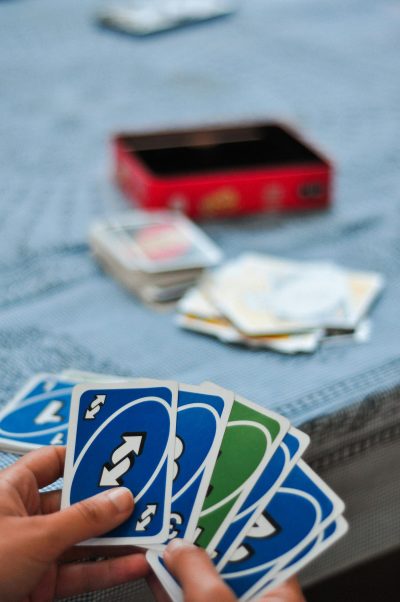
Games in my relationships are meant to be late night Uno or trivia on the couch. I hope the only cheating I worry about is an eye on my cards over my shoulder. I want to save my poker face for bluffing my hand instead of hiding parts of myself we’ve deemed unappealing.
Because playing games is a slippery slope. It is an unsteady foundation. If you start a relationship by performance, restraint, and strategic distance, when does it become real? I couldn’t tell when the risk of the game shifted from thrill to strain and uncertainty. It muddles the difference between romantic butterflies and waving red flags.
If giving the cold shoulder is part of the game, it makes sense that I accepted the silent treatment. If cruelty is mistaken for affection, no wonder I wouldn’t run when I was called out of my name or my words weren’t respected. If jealousy meant they care, then I must have felt deeply loved every time I was questioned about where I was and who I was with.
Understanding the objective before playing matters. And the truth is, the goal of this game was never a healthy relationship.
I wish I had been taught that I didn’t have to play at all.
Sorry, the comment form is closed at this time.